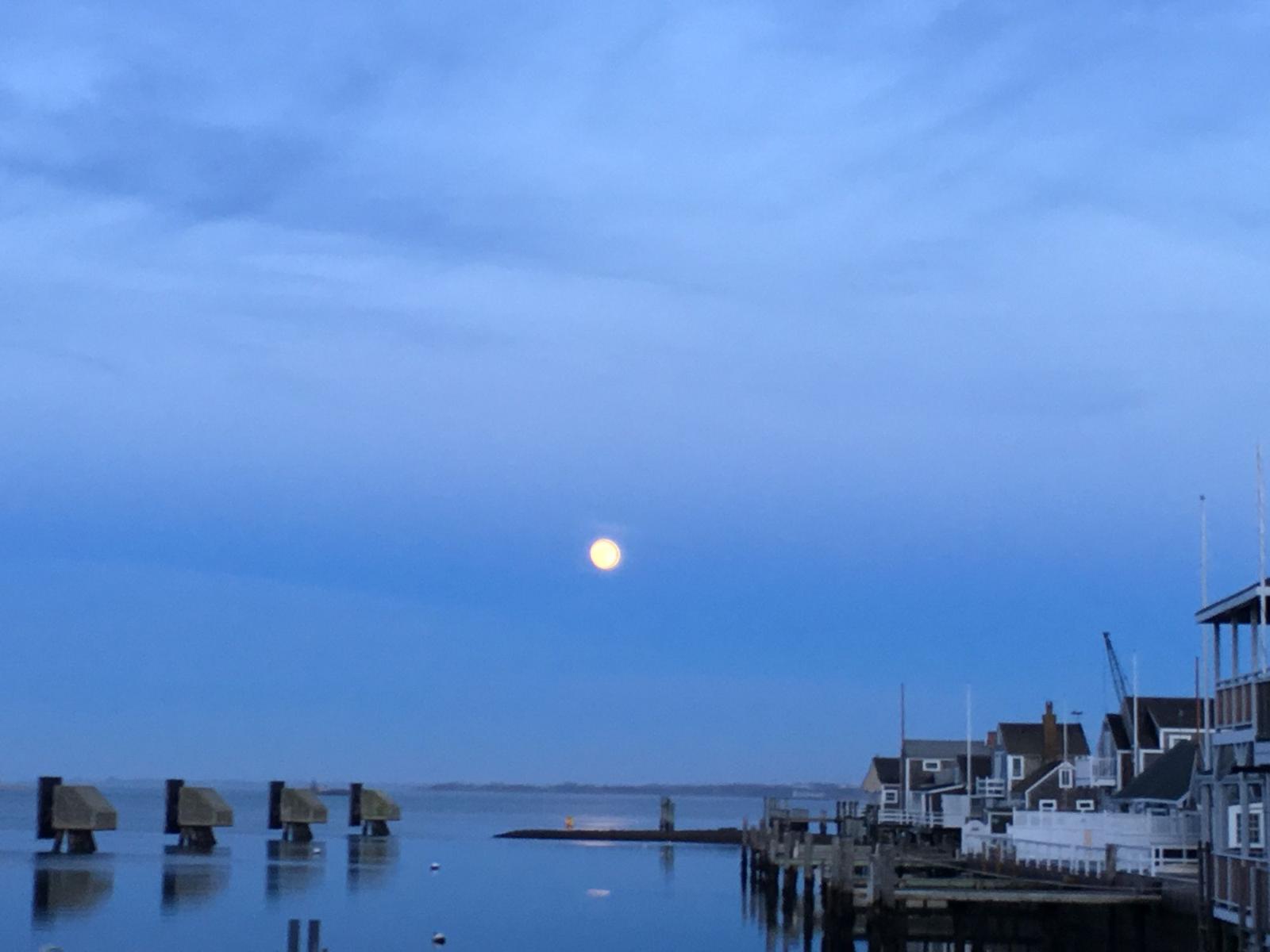
The closing is the start of a relationship with the island, not the end of one with us. Most of our clients own here from somewhere else for at least part of the year, and owning a house you cannot see out the window takes a system. This is what that system looks like, and where we fit in it.
A caretaker, and why you want one
Nearly every seasonal house on Nantucket has a caretaker: a person or a small company that checks the property through the winter, meets the plumber, opens up in spring and closes down in fall. A good caretaker notices the frozen pipe, the roof shingle in the yard and the heating system that quit, long before you would. We know who the good ones are, we will make the introduction, and we will help set the terms so both sides know what is expected.
Winterizing and opening up
An island house that sits empty from October to May needs to be put to bed properly. Water lines drained or heat kept on, outdoor showers and irrigation blown out, furniture covered, humidity managed, storm shutters where they are used. Opening in spring is the same list in reverse, plus the deep clean and the inevitable small repairs. Your caretaker runs this calendar; we make sure it exists.
The trades, and their calendar
Nantucket's builders, electricians, plumbers and painters are excellent and extremely busy. The island's trades run on a season of their own, with the heaviest work in the off-season when houses are empty and the ferries carry materials rather than visitors. A project scheduled in October is a very different proposition from one requested in June. We maintain our own relationships with contractors across the island and will point you to the right people, and tell you honestly when the right people are booked.
Insurance, flood and wind
Homeowners insurance on an island thirty miles out to sea has its own market. Wind coverage is often written separately, flood insurance depends on the FEMA zone and may be required by your lender, and an older house may need a four-point inspection before a carrier will write it. We will help you understand what a property's location means for coverage before you own it, and we can introduce you to agents who write policies on the island every day.
Renting the house
Many owners rent for part of the season to offset the cost of ownership, and Nantucket's rental market is deep. It is also regulated. The town requires short-term rentals to be registered under a system that took effect in 2026, with its own rules on occupancy, parking, noise and a local contact, and the state's short-term rental excise applies alongside the town's. The rules change, so before you list a house for rent, confirm the current requirements with the town and consult your attorney or accountant on the tax side. We can walk you through how the island's rental agencies work and what a well-run rental earns a seller later.
Utilities and services
Electricity comes from National Grid, which serves the island as Nantucket Electric. Water and sewer in the served areas come from the Wannacomet Water Company and the town's sewer department; outside those areas you are on a well and a septic system, with the maintenance that implies. Propane and heating oil are delivered by island suppliers, and internet service is reliable in most districts. Trash goes to the town's facility or through a private hauler. We hand every new owner a short list of who to call for each.
Getting here and getting away
The Steamship Authority runs car ferries and fast ferries from Hyannis year-round, and the car ferry is how your vehicle, your furniture and your contractor's truck reach the island; reservations for summer car crossings open months ahead and go quickly. Hy-Line runs fast passenger ferries from Hyannis, and Nantucket Memorial Airport connects to Boston, New York and beyond, with a seasonal schedule that thins in winter. Living with the schedule becomes second nature, but it is worth learning early, especially for the car ferry.
A call that always gets answered
The simplest thing we offer after a closing is this: a number that reaches a person who knows your house and the island. When a pipe bursts in February, when you need a name for a fence, when you are weighing an addition and want to know what the HDC will think, or when it is time to think about selling, you call, and we answer. That is the whole point of working with people who live here.